Clutch Repair
Specialists
Something Feels Off When You Shift — It Could Be Your Clutch
Quick Takeaways
- A slipping clutch feels like the engine revs rise but the car doesn’t accelerate — the disc can no longer transfer power properly
- Most European performance vehicles use a dual-mass flywheel that should be replaced alongside the clutch disc and pressure plate
- Catching clutch wear early saves money — replacing just the disc is cheaper than a full flywheel-and-clutch job
- Audi’s DSG is a dual-clutch automated system — it has different service requirements than a traditional manual clutch
- Tesla has no traditional clutch; clutch-like symptoms on a Tesla point to the drive unit or inverter
Hellertown’s Go-to Shop for European Auto Clutch Service & Repair
A clutch that is slipping, grinding, or chattering is not a problem that fixes itself. On European performance vehicles — BMW M cars, Audi manuals, AMG Mercedes — the clutch system is engineered to tighter tolerances and the repair bill grows considerably when the work gets deferred. The good news is that early symptoms of clutch wear are usually noticeable if you know what to feel for. JCL Automotive in Hellertown specializes in clutch diagnosis and replacement for Audi, BMW, and Mercedes vehicles. The shop has the factory-grade equipment and hands-on experience to handle everything from a straightforward disc replacement on a daily driver to a complete dual-mass flywheel-and-clutch job on a high-mileage performance vehicle.
Quality Service for the Top European Brands
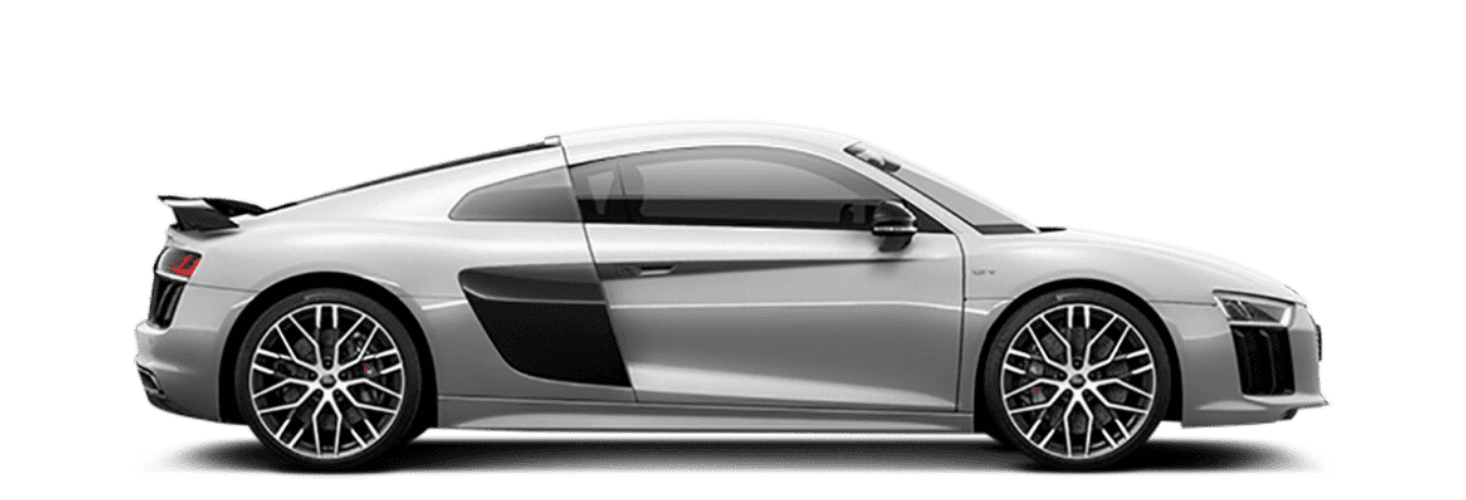
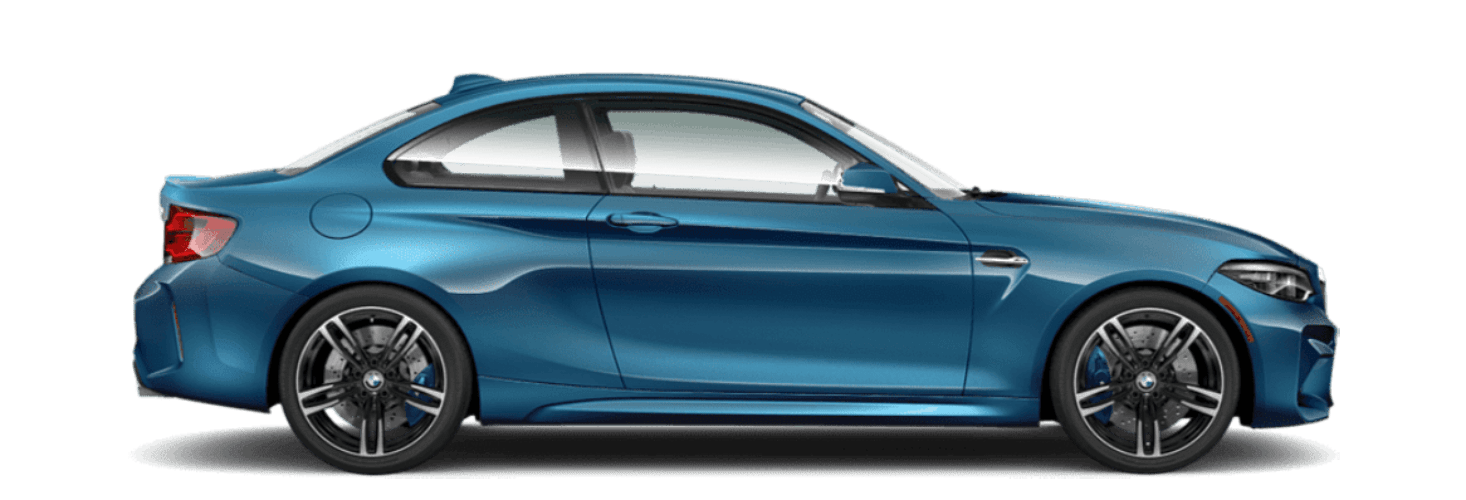
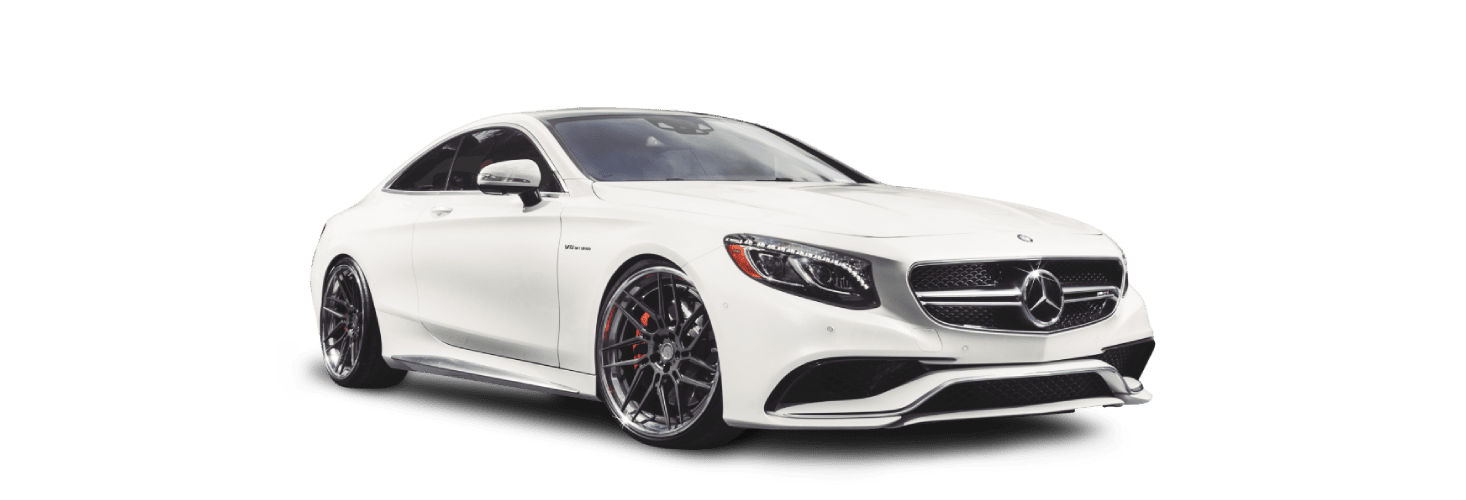
At JCL Automotive, our certified mechanics have decades of experience working with European vehicles. We welcome domestic & foreign cars but specialize in all models of:

What Are the Signs Your Clutch Is Failing?
The symptom most drivers describe first is a slipping clutch. You press the accelerator, and the engine revs climb, but the car does not accelerate in proportion. The clutch disc is no longer consistently gripping the flywheel surface, which means engine power is being lost between the crank and the wheels. Other symptoms to watch for include a high clutch engagement point — where you have to bring the pedal almost all the way up before the clutch catches — along with grinding or chattering during takeoff, a distinct burning smell during normal driving, and difficulty selecting gears cleanly even with the pedal fully depressed.
One symptom that many drivers miss: a rattling or rumbling noise that is present at idle and goes away when you press the clutch pedal in. That sound is usually the dual-mass flywheel, not the disc, and it changes the scope of the job. Catching clutch wear early — when only the disc needs replacement — is almost always less expensive than waiting until the flywheel and pressure plate are also damaged.
What Is a Dual-Mass Flywheel and Should It Be Replaced at the Same Time?
A dual-mass flywheel is a two-piece flywheel design with a spring-and-damper assembly built between the two halves. It absorbs rotational pulses from the engine before they reach the transmission, which is especially important on high-torque European engines, where those pulses are strong. The dual-mass flywheel is a wear item, and on most European performance vehicles, the recommendation is to replace it at the same time as the clutch disc and pressure plate.
The reason is straightforward: the labor required to access the flywheel is already included in the clutch job. If you replace only the disc today and the flywheel fails six months later, you are paying that same labor cost a second time. JCL technicians inspect the flywheel condition and measure its rattle threshold during every clutch job. If it needs replacement, you are told clearly and given the option to do both at once — saving money on labor in the long run.
Clutch and Drivetrain Details by Brand: BMW, Audi, Mercedes & Tesla
BMW
BMW M car clutch jobs should always include the dual-mass flywheel — the two components wear together under the same high-torque conditions, and replacing the disc alone on a high-mileage car leaves a worn flywheel spinning against a fresh disc. BMW SMG vehicles are a separate category. The SMG system uses a hydraulic actuator to engage and release the clutch automatically, and actuator failures are common on higher-mileage SMG-equipped models. The actuator issue is distinct from disc wear, and the diagnosis starts with determining which component — or both — is causing the problem.
Audi
Audi DSG transmissions operate on a completely different system. The DSG is a dual-clutch automated transmission with its own fluid, its own mechatronic unit, and its own service interval. A DSG service is not a clutch replacement — it is a fluid drain-and-fill combined with mechatronic inspection. If your Audi DSG is shifting harshly, hesitating between gears, or shuddering during low-speed engagement, the likely fix is a fluid service, not a traditional clutch job.
Mercedes
Mercedes AMG models use reinforced clutch packs from the factory, and the wear patterns differ from standard models. On non-AMG Mercedes vehicles, the self-adjusting clutch mechanism is worth noting — the adjuster wears before the disc in many cases, producing symptoms that mimic a worn-out clutch when the friction material still has life left in it. Tesla vehicles do not have a clutch. Slipping, shuddering, or hesitation on acceleration in a Tesla points to the drive unit or inverter, not a clutch assembly — an entirely different diagnosis.
When Should You Bring Your Car In — and What Happens at JCL?
If you are noticing any of the symptoms described above, scheduling a diagnosis sooner rather than later pays off financially. A slipping clutch does not stop slipping on its own, and continued driving accelerates wear on the flywheel and pressure plate. What starts as a disc-only replacement can turn into a full assembly job if you wait too long.
At JCL, the process begins with a road test and pedal feel evaluation, followed by a visual check of the clutch hydraulics — master and slave cylinder condition, fluid level, and any signs of leakage — then a lift inspection of the bellhousing area and transmission seals. The technician reviews findings with you before any work is authorized. If you also need transmission repair in Hellertown, both can often be addressed in the same visit, reducing total labor time significantly.
Why Choose JCL for Clutch Repair in Hellertown?
JCL Automotive has been servicing European vehicles since 2005. The shop is stocked with factory-grade tools, and the technicians are ASE-certified — they understand the specific clutch configurations found on BMW M and SMG models, Audi manual and DSG transmissions, and AMG-spec Mercedes drivetrains. Repairs come with a 24-month, 24,000-mile nationwide warranty — not a 90-day parts-and-labor guarantee, but a two-year commitment backed by a nationwide service network that covers you whether you are in Hellertown or on the road elsewhere.
You get text and email status updates while the car is being worked on, and same-day service is available when the shop schedule allows. BMW owners can also review the BMW repair specialists page to see the full scope of BMW services JCL provides. Drivers coming from Allentown can also check the European auto repair near Allentown page for service area details. The shop is at 70 Main Street in Hellertown, convenient to drivers throughout the Lehigh Valley, including Allentown, Bethlehem, Easton, and Quakertown.
Schedule Clutch Service at JCL Automotive in Hellertown
If you are experiencing clutch slip, grinding, or any of the symptoms described above, JCL Automotive is the shop to call. ASE-certified technicians, factory-grade tools, and a 24-month/24,000-mile nationwide warranty on every repair.
Call (484) 851-3390 to schedule, or visit the shop at 70 Main Street, Hellertown, PA 18055. Hours are Monday through Friday, 8:30 AM to 6:00 PM. Learn more at jclautomotive.com.
Frequently Asked Questions About Clutch Repair
How long should a clutch last on a European car?
On a European vehicle driven primarily on the highway and shifted smoothly, a clutch can last 80,000 to 100,000 miles. City driving, frequent stop-and-go traffic, and aggressive driving habits reduce that considerably — often to 50,000 miles or less. Performance vehicles like BMW M cars and AMG Mercedes models see more stress on the clutch system by design, and wear accumulates faster under track or spirited driving conditions
What is a dual-mass flywheel and do I need to replace it at the same time as the clutch?
A dual-mass flywheel is a two-piece flywheel with a damper system that smooths out engine pulses before they reach the transmission. It is a wear item on most European vehicles, and JCL recommends evaluating it during every clutch job. Because the labor to access the flywheel is included in the clutch replacement, replacing both at the same time avoids paying that labor cost twice if the flywheel fails shortly after a disc-only replacement.
What are the signs of a slipping clutch vs one that just needs adjustment?
A slipping clutch feels like the engine revs climbing freely while acceleration lags — the disc has worn beyond the point where it can grip the flywheel consistently. A clutch that needs adjustment usually has a noticeably high or low engagement point, or requires very little pedal movement before it bites. Adjustment issues are simpler and less costly to correct than a worn disc. A road test and pedal evaluation at JCL will distinguish between the two quickly.
Does my Audi DSG need clutch service?
Yes, but it is not the same as a traditional clutch replacement. The Audi DSG is a dual-clutch automated transmission that requires a fluid drain-and-fill and mechatronic unit inspection on a regular service interval — typically every 40,000 miles, though this varies by model. Symptoms of a DSG in need of service include harsh shifts, hesitation between gears, shuddering at low speeds, and rough engagement from a stop. If your Audi DSG is showing any of those signs, bring it in for a DSG-specific evaluation.