Brake Service
Specialists
Grinding, Squealing, or a Soft Pedal — Your European Car’s Brakes Are Telling You Something
Quick Takeaways
- European brake systems use higher-performance compounds that require exact replacement specs — wrong parts cause noise and uneven wear
- Squealing and grinding are different problems with different urgency levels
- Brake fluid absorbs moisture over time and should be flushed every 2–3 years on most European vehicles
- A spongy brake pedal usually means air in the lines or a failing master cylinder — don’t ignore it
- All brake repairs at JCL include a full system inspection and 24-month/24K warranty
High-Quality European Auto Brake Services for Hellertown Area Drivers
If your Audi, BMW, Mercedes-Benz, or Tesla is making noise when you brake, that sound is a warning — and it’s worth understanding what it means before it becomes an emergency. European brake systems are engineered to tighter specifications than most domestic vehicles, and they don’t respond well to off-spec parts or guesswork. JCL Automotive has been servicing European brakes in Hellertown, PA since 2005, using factory-grade equipment and ASE-certified technicians to diagnose and fix brake issues correctly the first time.
Quality Service for the Top European Brands
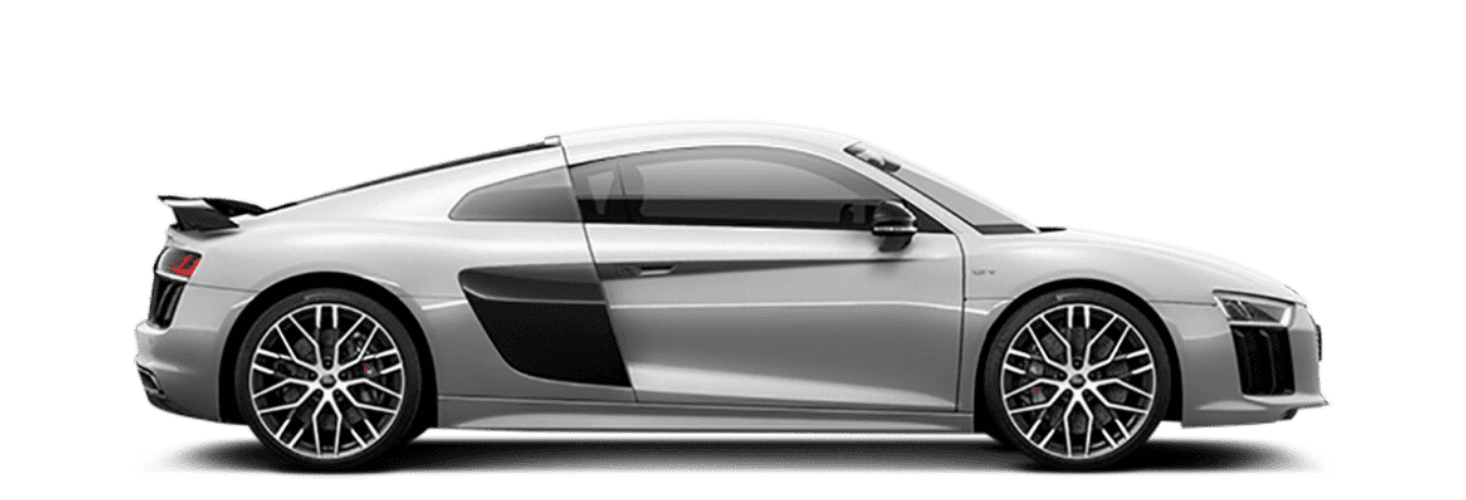
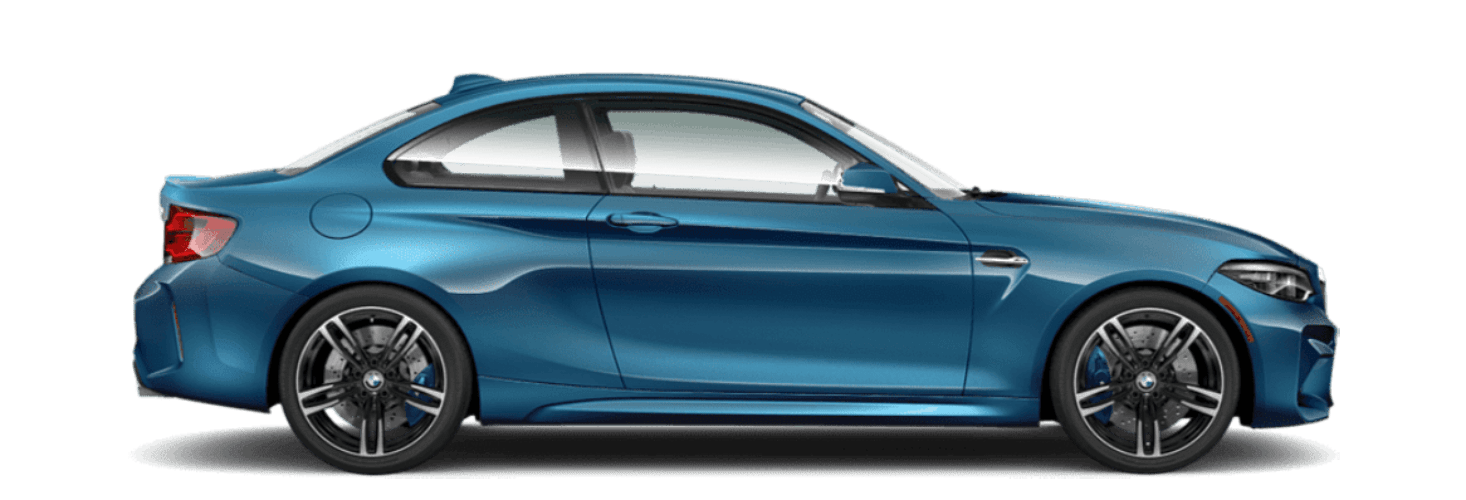
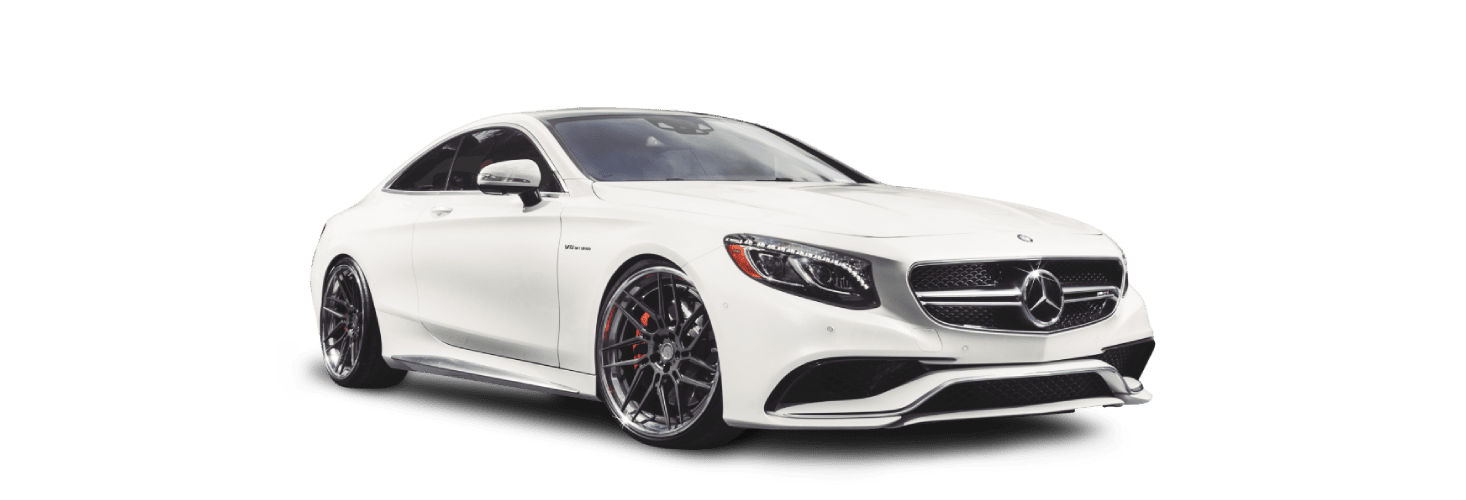
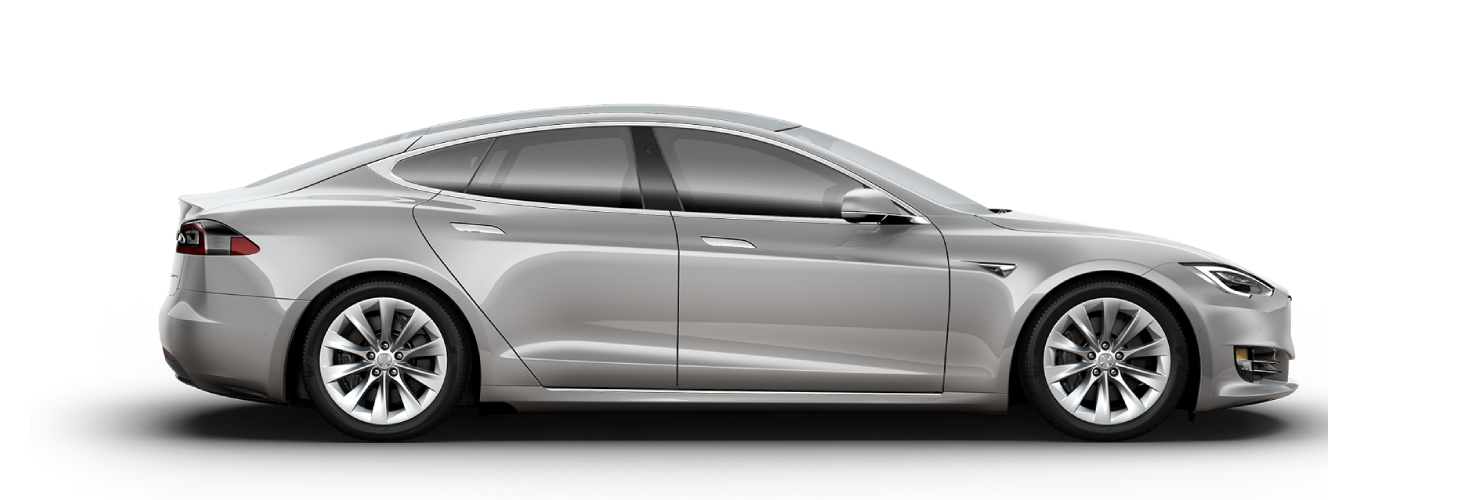
At JCL Automotive, our certified mechanics have decades of experience working with European vehicles. We welcome domestic & foreign cars but specialize in all models of:
What Makes Tesla & European Brake Systems Different From Domestic Cars?
European manufacturers engineer their brake systems for performance — not just stopping power, but feel, heat consistency, and integration with the car’s electronics. Each brand comes with its own characteristics and failure patterns that demand brand-specific knowledge to service properly.
BMW
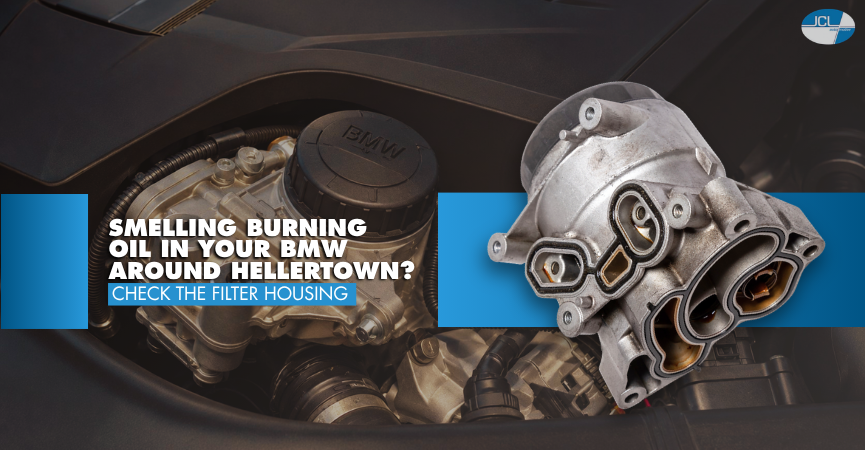
BMW M Sport packages use larger rotors and performance-grade pads. Installing generic aftermarket pads on an M3 or M5 creates immediate problems: brake dust, squealing, and uneven wear that shortens rotor life.
Audi
Our Audi repair specialists treat brake work on quattro AWD models as a full-system job because brake imbalance on a quattro affects all four corners of handling, not just stopping distance.
Mercedes-Benz
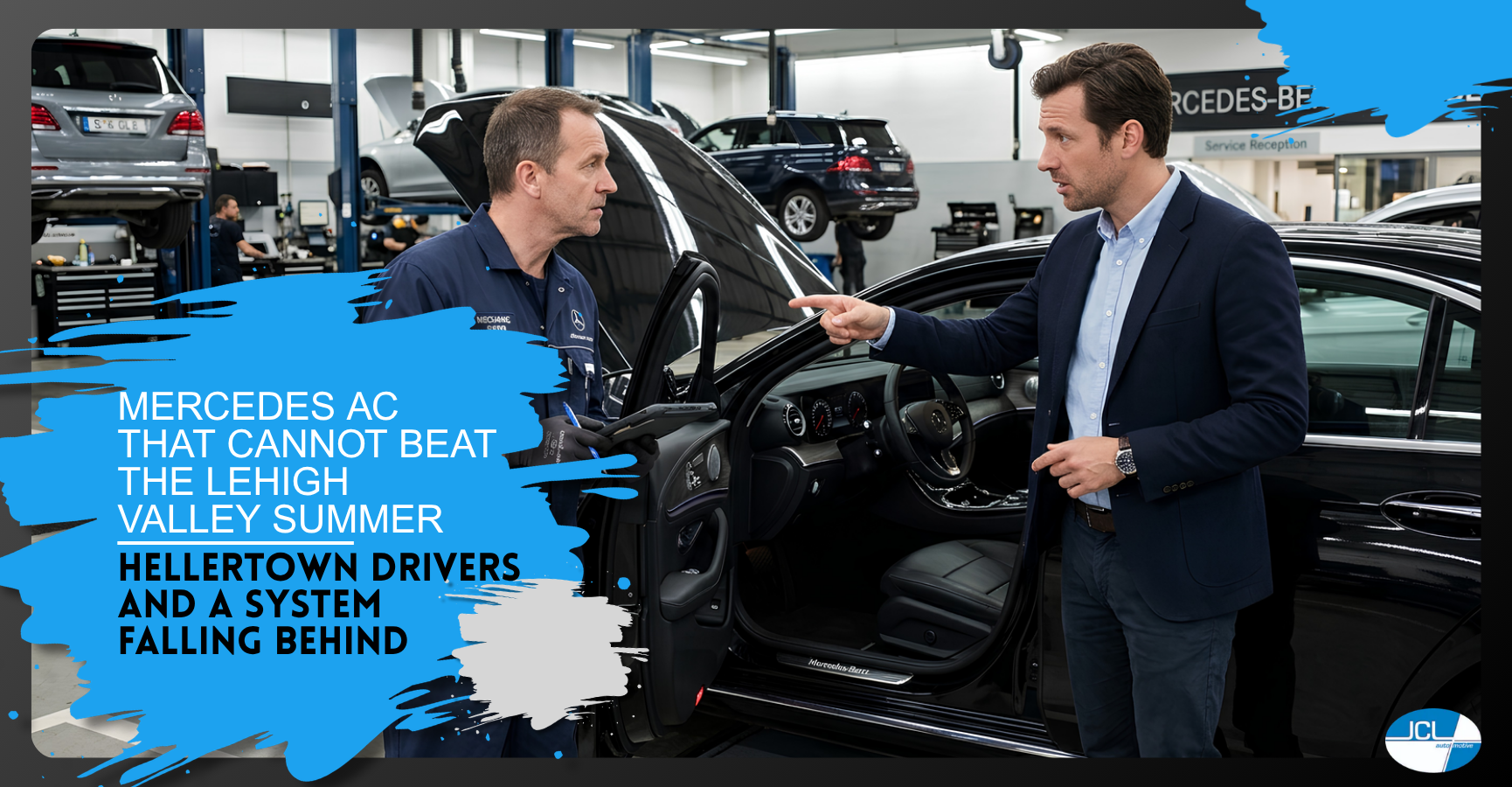
Mercedes-Benz vehicles integrate their Electronic Stability Program deeply into the brake system. A failing wheel speed sensor or ABS module can produce symptoms that feel identical to brake hardware failure — soft pedal, erratic braking, warning lights — when the root cause is electronic. Diagnosing this correctly requires factory-level software, not a standard OBD-II reader available at any parts store.
Tesla
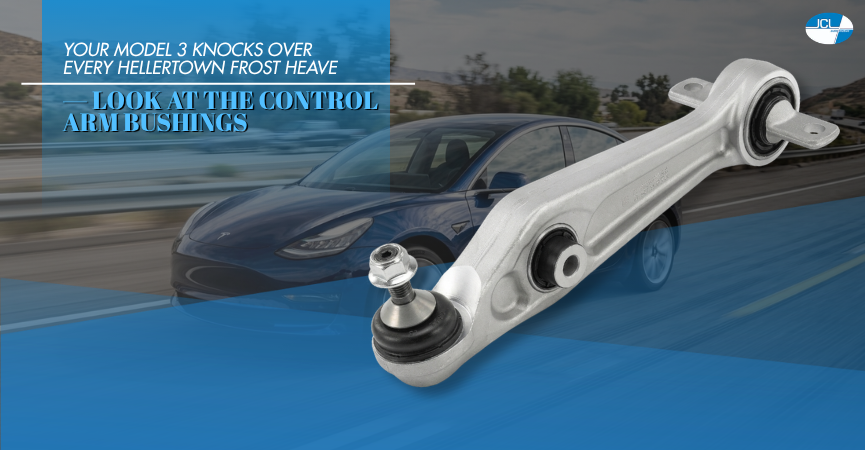
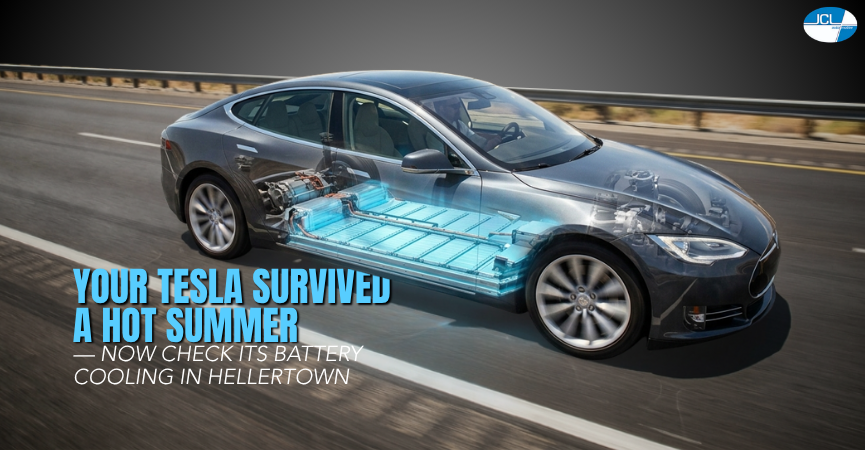
Tesla’s regenerative braking system means the friction brakes see significantly less use than on a conventional car. That sounds like good news, but inactivity creates its own problems: calipers are prone to seizing from corrosion, especially through Pennsylvania winters. When Tesla’s friction brakes do fail, the failure tends to be more abrupt than on a vehicle where the brakes are used constantly.
Squealing vs. Grinding — Which Is More Urgent?
Squealing when you first apply the brakes in the morning or after a wet night is usually surface rust burning off the rotors. That’s normal. But squealing that continues throughout every stop, or that grows louder over time, typically means your wear indicators are touching the rotor. That’s your signal to schedule service soon — you have some time, but don’t stretch it.
Grinding is a different category of urgency. A deep metal-on-metal grind means your pads are worn through to the backing plate. You’re now grinding steel against your rotors, which damages them rapidly. What would have been a pad replacement is now a pad-and-rotor job, and if you wait long enough, you risk scoring the calliper as well. Don’t wait on grinding brakes — the repair only gets more expensive.
A spongy or soft pedal is the third warning sign that gets less attention than it deserves. If you have to push further before the brakes fully engage, you either have air in the brake lines or your brake fluid has absorbed enough moisture to lower its boiling point. Both conditions compromise stopping ability in hard-braking situations. Brake fluid on most European vehicles should be flushed every two to three years, regardless of mileage.
How JCL Automotive Approaches European Brake Service
Every brake job at JCL starts with a full inspection: pad thickness measurement, rotor condition and thickness check, calliper function, brake line integrity, and a brake fluid moisture test. We don’t guess at what you need — we inspect first, then give you a written estimate before touching anything.
We source OEM-spec or OEM-equivalent parts for every brake job. On BMWs and Audis especially, using the correct friction compound determines whether the repair holds up and whether the pedal feel stays right. We also bleed and top off the brake fluid as part of every pad and rotor replacement.
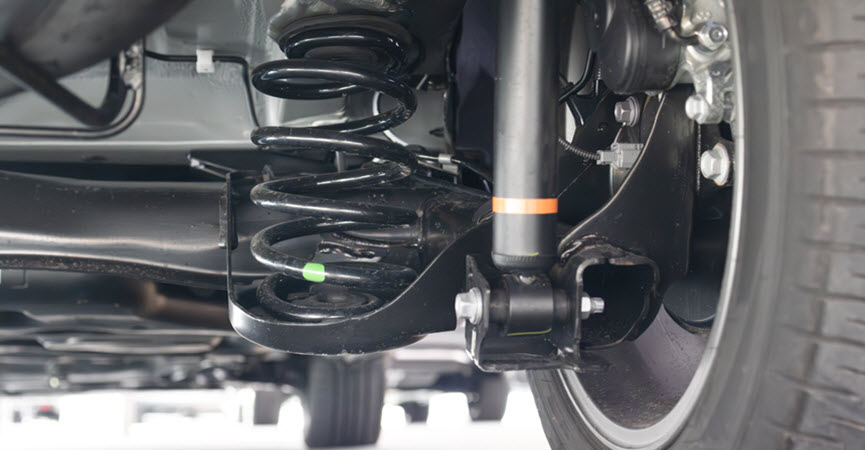
Brake work often reveals suspension issues at the same time. If your car is pulling to one side under braking or the steering wheel shakes during a hard stop, there’s frequently a suspension or wheel bearing component involved alongside the brakes. Our suspension repair in Hellertown team works alongside the brake job to address both at once and save you a return trip.
We serve drivers from across the Lehigh Valley, including customers coming from European auto repair near Allentown. If you’re commuting through the Hellertown area or driving in from further out, we can often accommodate same-day appointments. Call ahead to check availability — spots fill up fast during summer and winter.
Schedule Your Brake Service at JCL Automotive
Don’t wait until squealing turns to grinding. JCL Automotive is located at 70 Main Street, Hellertown, PA 18055. Call (484) 851-3390 or visit jclautomotive.com to book online. We’re open Monday through Friday, 8:30 AM to 6:00 PM. ASE-certified technicians, OEM-spec parts, and a 24-month/24,000-mile nationwide warranty on every brake repair.
Frequently Asked Questions About European Brake Repair
How long do BMW brakes last compared to regular cars?
BMW brakes typically last between 30,000 and 60,000 miles, depending on the model, driving habits, and whether the car is equipped with performance pads from an M Sport package. That’s a wider range than most domestic vehicles because BMW’s braking systems create more variance in wear. BMWs with integrated wear sensors will alert you via the iDrive display when pads are nearing replacement — don’t dismiss that warning when it appears.
Why does my Mercedes brake pedal feel spongy or soft?
A soft pedal on a Mercedes-Benz is most commonly caused by moisture-saturated brake fluid or air in the brake lines. Mercedes vehicles are also known for brake master cylinder failures in higher-mileage models, which cause the pedal to sink slowly when held at a stop. All three causes affect braking performance and should be diagnosed promptly. A brake fluid moisture test is quick — call us, and we can check it during any visit.
Is it safe to drive with grinding brakes?
No. Grinding means brake pads are worn through, and metal is contacting your rotors. This increases stopping distance, generates heat that can warp rotors and overheat brake fluid, and risks caliper damage if left long enough. Drive only as far as necessary to reach a shop. If you’re in the Hellertown area, call (484) 851-3390 and we’ll get you in as soon as possible.
Does a European car need brake fluid flushed more often than a domestic car?
Generally yes. BMW, Audi, and Mercedes-Benz specify brake fluid replacement every two years, regardless of mileage — more frequent than the three-year or 45,000-mile intervals common on domestic vehicles. European vehicles operate at higher brake temperatures, and degraded fluid lowers the boiling point of the system. Brake fade at high temperatures is a real risk if fluid service is deferred.
Does JCL Automotive offer free brake inspections?
Yes. If you’re hearing noise or experiencing any change in brake pedal feel, bring your car in, and we’ll inspect the brake system at no charge. We’ll measure pad thickness, check rotor condition, test brake fluid quality, and inspect the calipers. You’ll get a clear written estimate if repairs are needed — no pressure, no hidden fees, just an honest assessment from technicians who specialize in European vehicles.